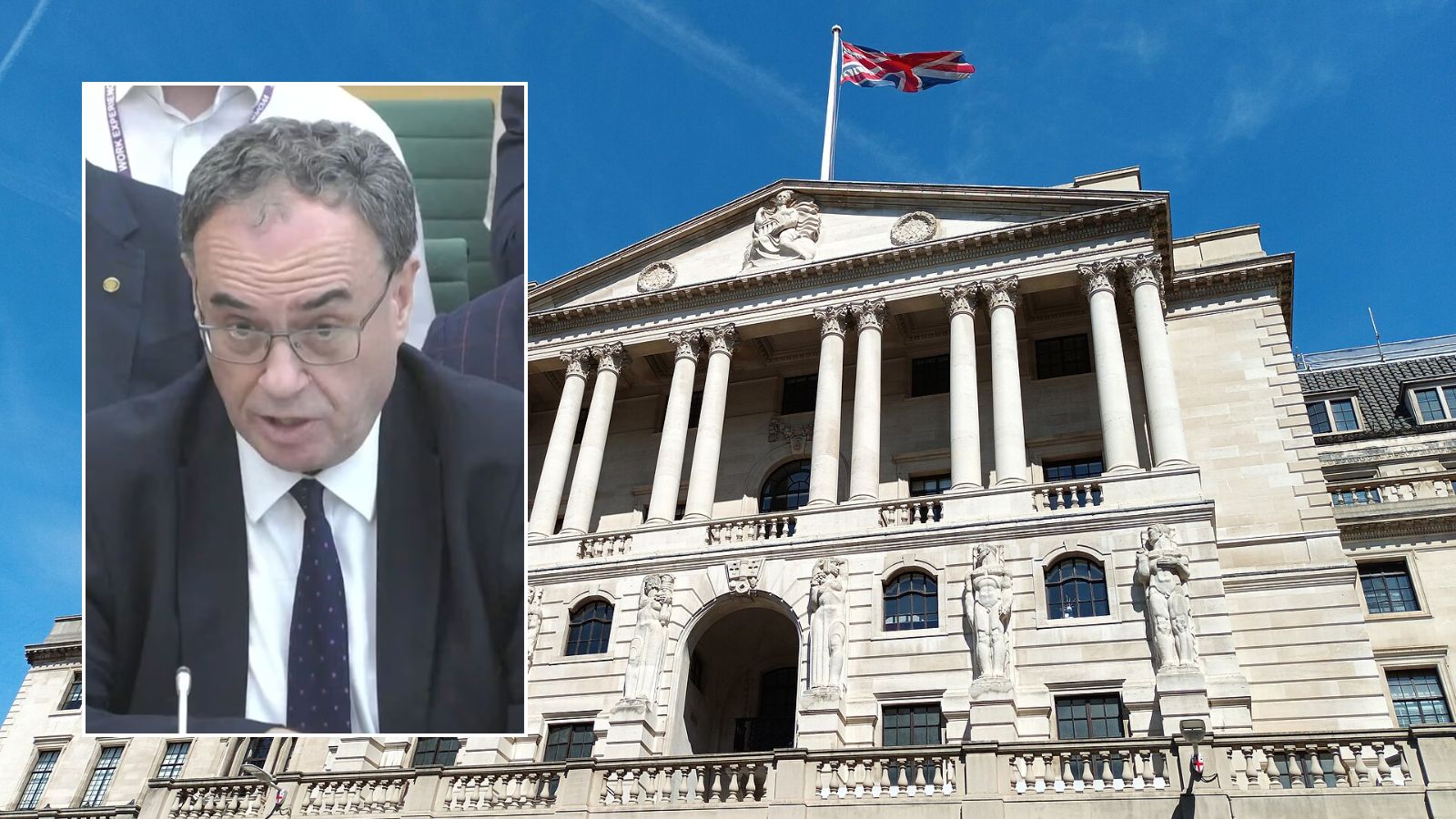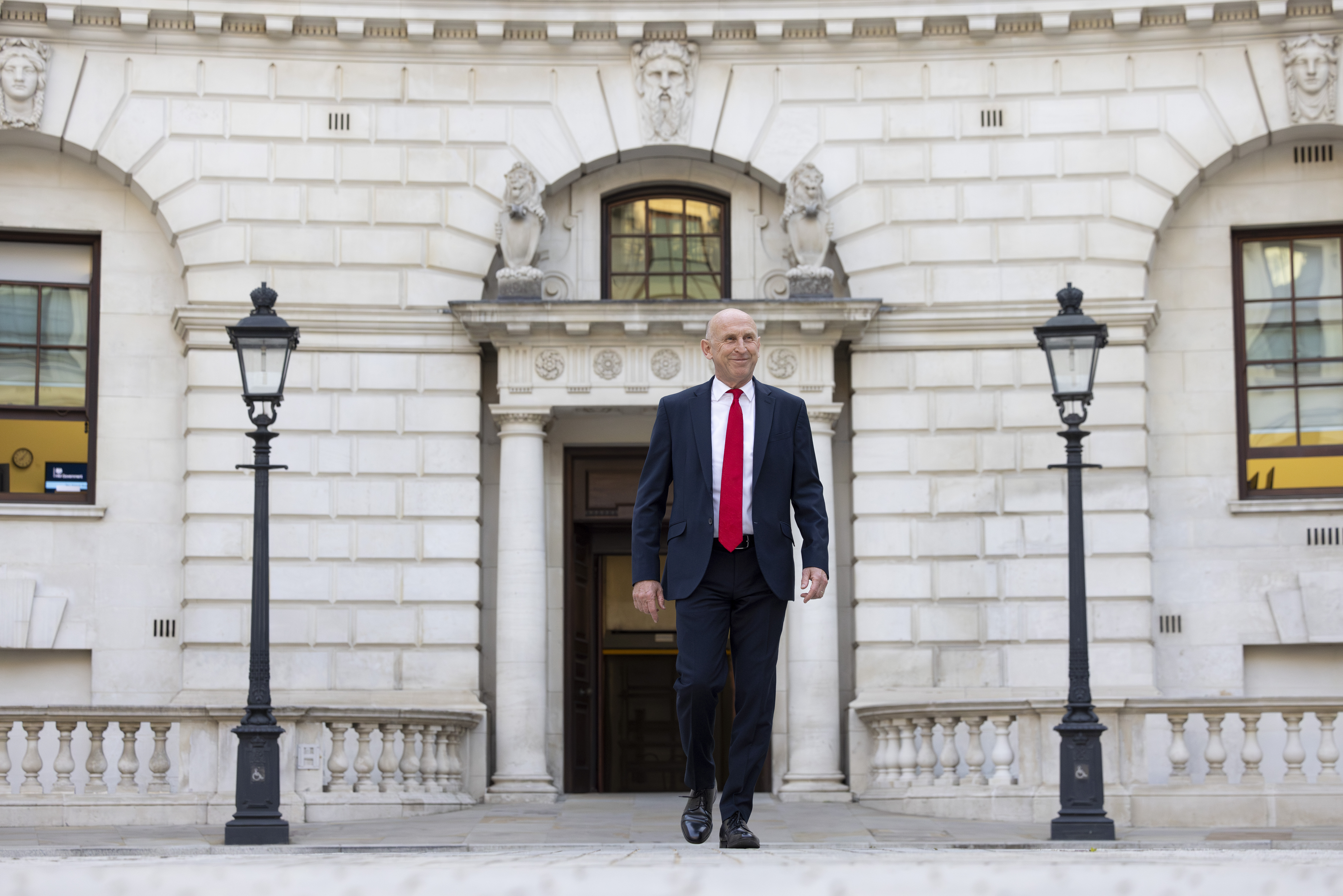
Panicked Brits could withdraw billions of pounds from their pension pots in the coming months over fears of a tax raid by the Government, analysts fear.
Finance bosses have urged Chancellor John Healey to rule out reducing the allowance for tax-free pension lump sums at the Budget later this year.
The City fears uncertainty over the Government’s plans could lead to a repeat of the past two years when Brits pulled money from their pensions over concerns of an imminent rule change.
Most pension savers can withdraw as much as 25 per cent of their pension tax free from the age of 55, with the total amount capped at £268,275.
Since Labour came to power in the summer of 2024, persistent rumours the tax-free allowance could drop to less than £100,000 have led to workers taking action in a bid to avoid being stung by the changes.
In the 2024-25 tax year, analysis from the Financial Conduct Authority indicated more than £18billion of lump sums were withdrawn from pensions.
In previous years, an average of just £8billion was removed from pension pots.
Unless the Treasury confirms there will be no impact on the tax-free allowance at the Budget on October 28, analysts are predicting more withdrawals in the coming months.
Tom Selby, director of public policy at the investment platform AJ Bell, told the Financial Times: “Allowing speculation to build, as Rachel Reeves did ahead of the last two Budgets, will inevitably result in further early withdrawals by nervous savers, undermining both their retirement aspirations and the government’s efforts to drive more investment into UK plc over the longer term.”
Research from wealth management firm Quilter shows that over the past two years almost two thirds of those who withdrew money tax-free due to uncertainty around a change in the allowance now regret their decision.
James Heal, public policy director at wealth manager St James’s Place, added: “Once tax-free cash has been taken from a pension, that decision can’t be reversed, meaning individuals can permanently alter their retirement plans based on rumours rather than confirmed policy.”
Fears of a change to the pension rules have partially been exacerbated by the spending commitments outlined by the Government following Andy Burnham taking over at No10 Downing Street.
In his first two weeks in office the Prime Minister announced he was capping bus fares at £2, removing VAT from electricity bills, and reducing business rates for pubs, social clubs, and music venues.
The Government must also find the money to fund the UK defence plan.
Added together, analysis suggests the Government is facing a £22billion black hole at the Budget.
It means Healey will have to either increase government borrowing, impose spending cuts on ministers’ departmental budgets, or launch a new round of tax hikes.
A Treasury spokesperson said: “The Chancellor is fully focused on his priorities, to boost business, help with the cost of living and support people in every postcode.
“As has always been the case, the Chancellor will set out decisions around tax at fiscal events, rather than routinely commenting on rumour, speculation or proposals.”