Britain’s economy is set to grow slightly faster in 2026 than previously expected, according to new forecasts by economists at the consultancy firm EY.
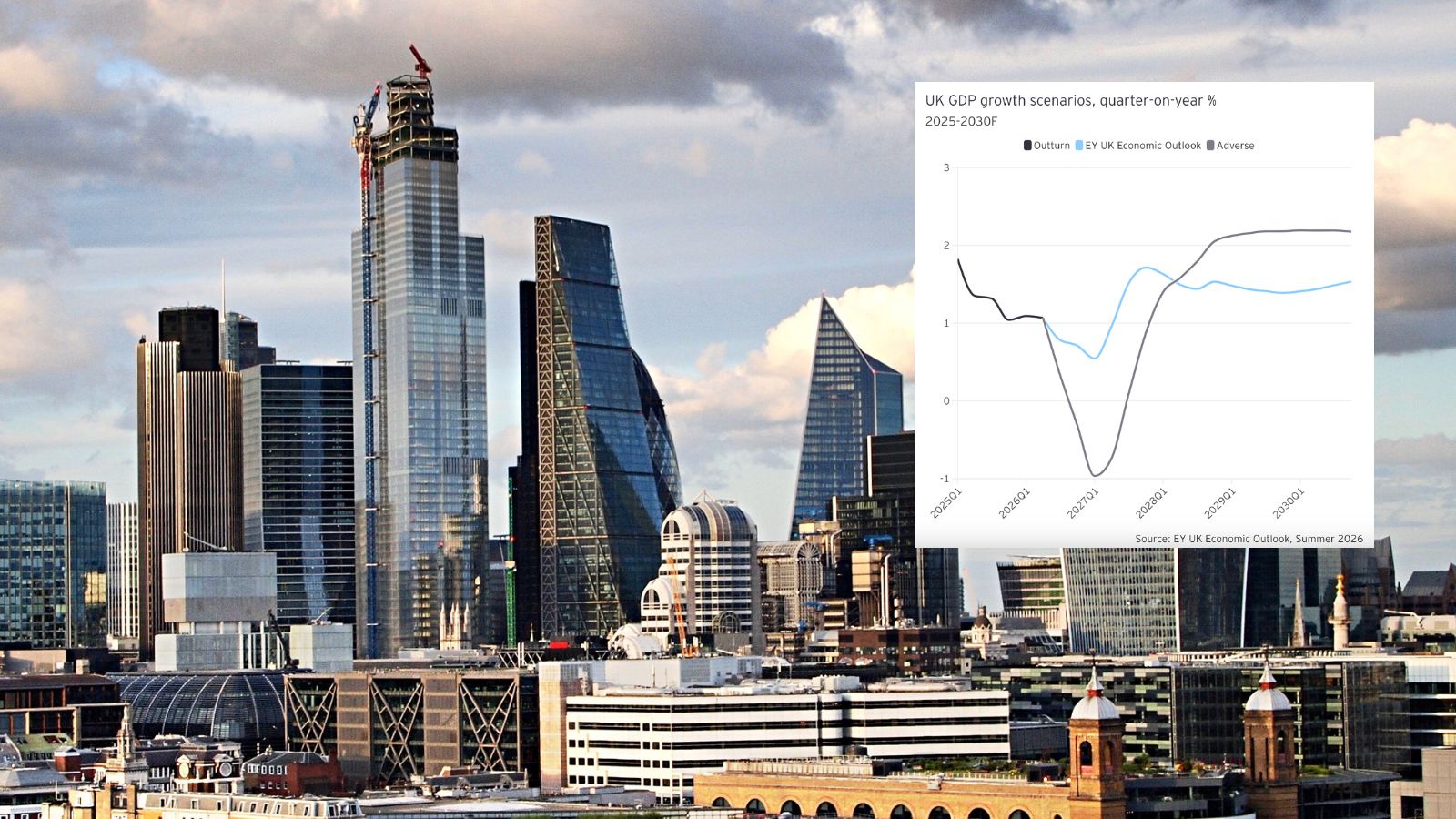
The UK is now tipped to see GDP growth of 0.9 per cent this year, up from the 0.8 per cent previously forecast.
Expectations for 2027 remain unchanged in the latest figures, with 1.2 per cent growth anticipated.
The slight uptick for 2026 comes after Britain’s economic performance in the second quarter of the year was better than previously expected.
Fallout from the Iran war had led to forecasts anticipating a significant increase in inflation due to the rise in oil costs.
However, fuel prices returned to pre-conflict levels quicker than expected, helping to boost growth.
Peter Arnold, EY UK Chief Economist, said: “The UK economy has proved more resilient than many expected this year, prompting a modest upgrade to our growth forecast.
“Oil prices had started to fall back to pre-conflict levels and, while business and consumer confidence have softened, this decline remains less severe than the shock triggered by the 2022 energy crisis.”
Despite the relative good news, EY warned the continued closure of the Strait of Hormuz – a key global shipping route – due to conflict in the Middle East could see the UK economy contract in 2027.
The closure of the shipping route could see next year’s forecast of 1.2 per cent downgraded to anywhere between just 0.5 per cent growth and a 0.2 per cent contraction.
Arnold explained: “If the Strait of Hormuz reopens in the coming months, we expect the UK to avoid a more pronounced downturn, but an extended closure into 2027 would raise inflation and could push the economy into contraction next year.
“As growth becomes harder to sustain, the UK is likely to rely increasingly on those sectors that have underpinned economic performance in recent years, particularly technology and high-value business services.”
Inflation is also at risk of rising to as much as 6.4 per cent by the end of 2026 if the Strait remains closed.
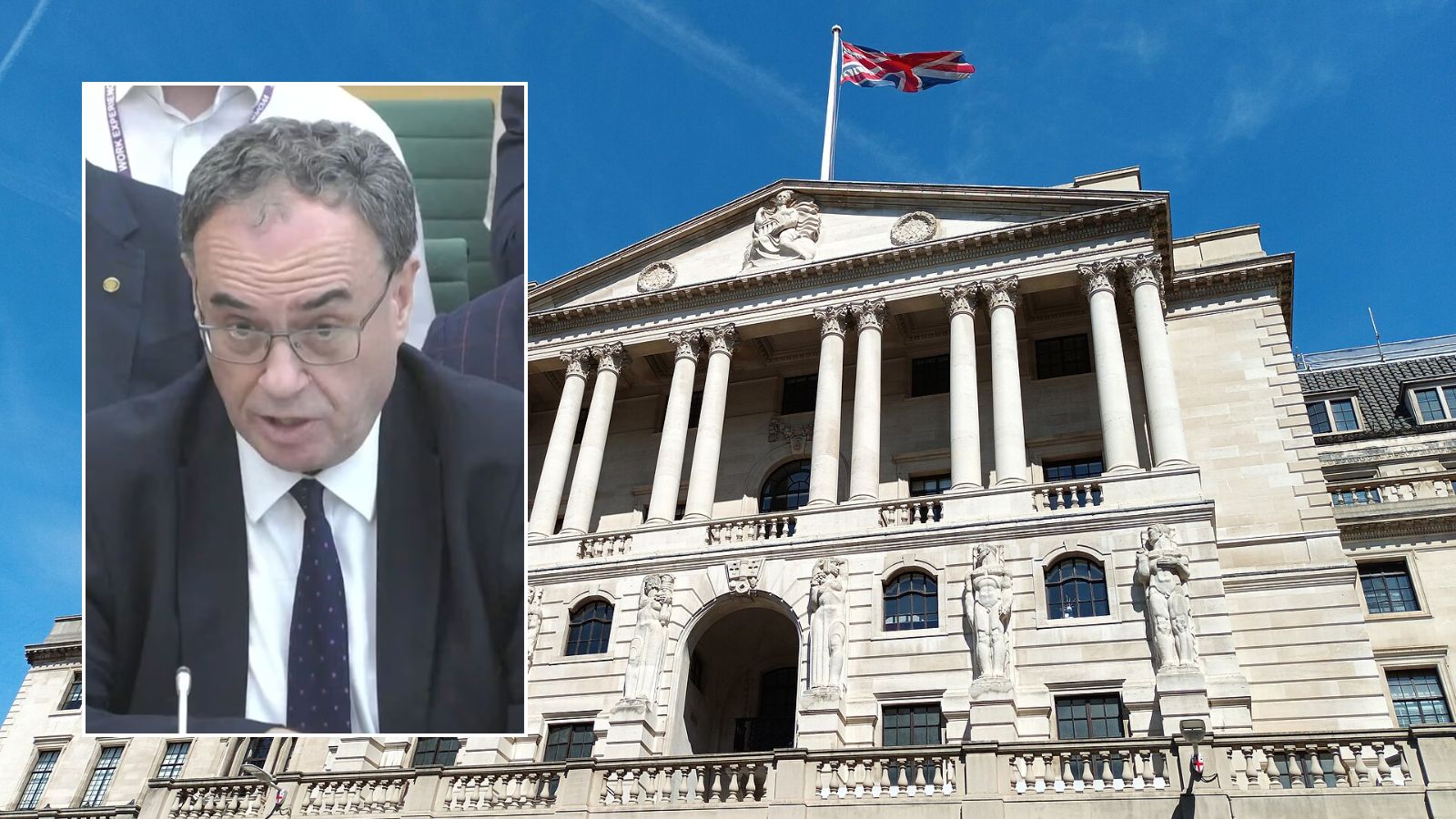
The Bank of England’s Monetary Policy Committee (MPC), headed up by Governor Andrew Bailey, chose against increasing interest rates in July after the economy’s better-than-expected performance in the second quarter of this year.
Analysts expect the MPC will likely take action at one of their meetings later this year if inflation continues to rise in the coming months.
Last weekend, Chancellor John Healey promised to take action to ensure the UK was better protected in future from external shocks such as the Iran war.
He said the Government “can’t completely stop the squeeze” Brits will feel from the conflict but pledged ministers would take immediate action to help.
“What we can do is be an active, hands-on Government that puts British interests first – giving breathing space to those feeling financial strain and making our country more resilient so we can better weather these shocks in the future,” he wrote in a Sunday newspaper.
He explained the Government wanted to use the public purse to invest more in the UK as part of a “British money, spent on British firms, British workers and British skills” strategy.
EY has suggested businesses which focus on investing in productivity and technology through the rest of this year will be better protected from the global economic disruption.
Anna Anthony, EY UK & Ireland Regional Managing Partner, said: “Balancing short-term pressures with future growth ambitions needs to remain a boardroom priority.
“Businesses that continue to invest in productivity and technology during periods of uncertainty will be better placed to capitalise on market opportunities once conditions improve.
“Continued action to reduce structural cost pressures facing companies, including energy prices, should help to unlock the confidence and capital businesses need to invest longer term and drive economic growth.
“The UK will also need to draw on its sectoral strengths, with business services and technology set to remain significant growth drivers.
“The Government’s Industrial Strategy offers an opportunity to amplify that contribution, and nurturing growth across all eight Strategy sectors will be critical to encouraging sustained investment.”